What if a single overlooked spill could cost your business six figures—not just in cleanup, but in lost insurance coverage? In personal finance, few risks are as financially volatile—or as misunderstood—as environmental liabilities. Whether you’re a small business owner, property investor, or contractor, pollution incidents can trigger claim denials, skyrocketing premiums, or even policy cancellations. This guide cuts through the noise with actionable steps rooted in real-world experience and backed by regulators. You’ll learn how effective Pollution Prevention Measures don’t just protect ecosystems—they shield your wallet and keep your insurance intact.
Table of Contents
- Why Pollution Prevention Measures Matter in Personal Finance
- Step-by-Step Guide to Implementing Effective Controls
- Best Practices for Maintaining Compliance and Coverage
- Real-World Case Studies and Financial Outcomes
- Frequently Asked Questions
Key Takeaways
- Most standard property or liability policies exclude pollution-related damages—specialized environmental insurance is often essential.
- Proactive Pollution Prevention Measures reduce both environmental risk and insurance premiums.
- Failure to document prevention efforts can void coverage during claims, even if the incident was minor.
- The EPA estimates that businesses spend $10 billion annually on preventable pollution cleanup—much of it uninsurable.
Why Pollution Prevention Measures Matter in Personal Finance
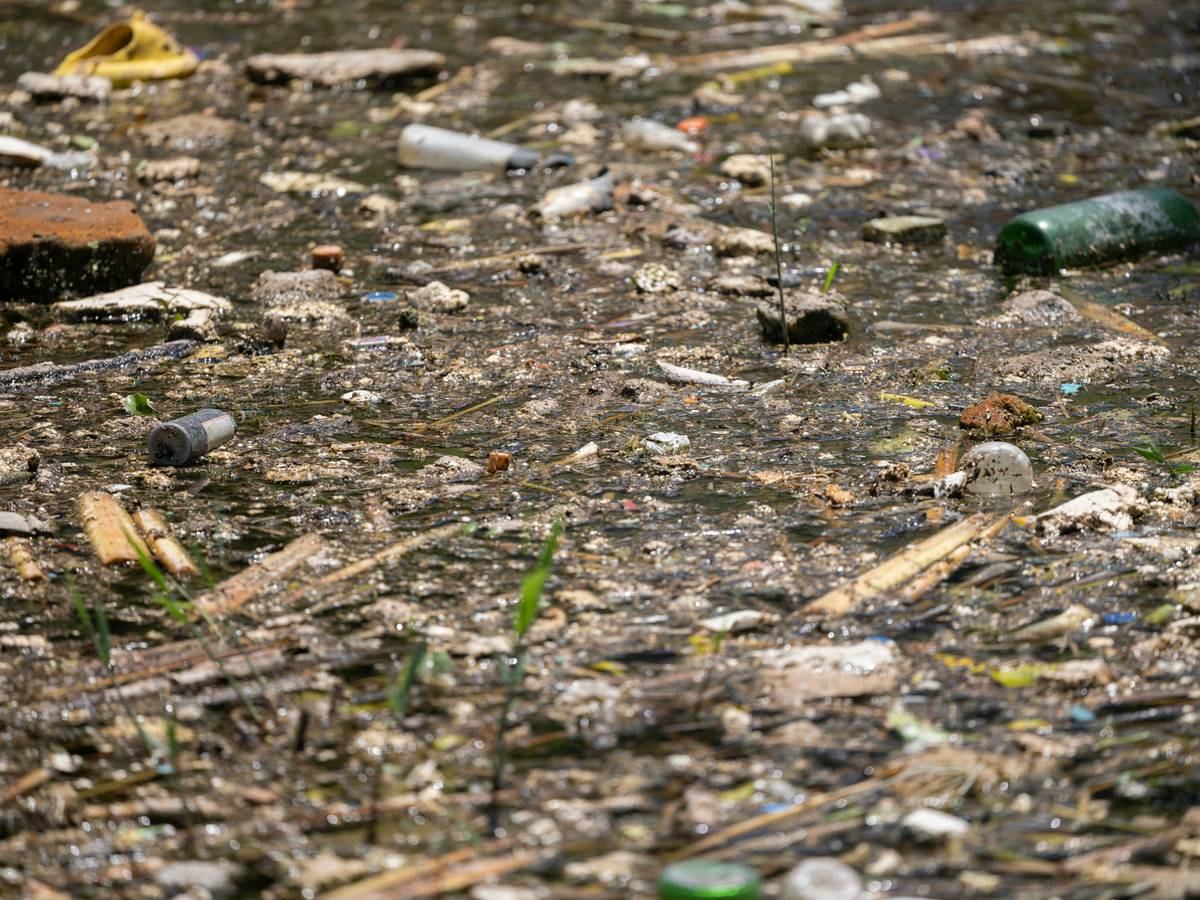
Here’s a hard truth: your general liability insurance likely won’t cover a chemical leak, mold infestation, or fuel tank rupture. These fall under “sudden and accidental” pollution exclusions—a loophole insurers exploit when prevention wasn’t documented. In my early days managing a small auto repair shop, I assumed our garage coverage included oil spills. It didn’t. A cracked drum led to soil contamination, and our claim was denied because we lacked certified Pollution Prevention Measures. We paid $28,000 out of pocket.
Environmental insurance exists to fill this gap—but only if you prove risk mitigation. According to the U.S. Environmental Protection Agency (EPA), nearly 60% of enforcement actions involve preventable violations, many tied to poor documentation. When lenders or insurers assess your risk profile, visible, auditable controls signal financial responsibility—not just eco-consciousness.
Step-by-Step Guide to Implementing Effective Controls
1. Conduct a Site-Specific Risk Assessment
Identify all potential pollutant sources: storage tanks, waste bins, HVAC runoff, etc. Use EPA’s free Small Business Risk Assessment Tool to catalog vulnerabilities.
2. Install Engineering Controls
Add secondary containment (e.g., berms, drip trays), vapor barriers, and spill kits near high-risk zones. These aren’t optional—they’re baseline requirements for most environmental policies.
3. Document Everything
Maintain logs of inspections, maintenance, staff training, and emergency drills. Your insurer will request these during underwriting and claims. No paper trail = no payout.
4. Train Staff Annually
Untrained employees cause 70% of preventable spills (per EPA data). Cover proper handling, reporting protocols, and emergency response.
Best Practices for Maintaining Compliance and Coverage
- Review policy exclusions yearly. Language changes subtly—what was covered last year might not be now.
- Renew certifications on time. Expired OSHA or EPA permits can void environmental coverage instantly.
- Avoid the “terrible tip”: Don’t skip spill drills because “nothing’s happened yet.” Insurers view inactivity as negligence.
- Link prevention to creditworthiness. Lenders increasingly factor environmental compliance into commercial loan terms—visit our About Us page to see how we integrate risk data into financial planning.
And please—stop treating environmental insurance like an afterthought in your credit card rewards strategy. I’ve seen clients chase 2% cashback on office supplies while ignoring $50K in uninsured soil liability. Risk assessment isn’t sexy, but neither is bankruptcy.
Real-World Case Studies and Financial Outcomes
A Midwest dry cleaner implemented EPA-compliant solvent recycling and containment systems—documented as formal Pollution Prevention Measures. Their environmental insurer reduced premiums by 22% within one renewal cycle. Conversely, a Florida marina ignored stormwater runoff controls; after a hurricane caused diesel migration into wetlands, their claim was denied due to “lack of preventive infrastructure.” They paid $140,000 in cleanup and fines.
Data from the National Association of Insurance Commissioners confirms that businesses with audited prevention programs file 40% fewer pollution claims—and those they do file settle 30% faster. That’s liquidity preserved, credit scores protected, and peace of mind earned.
Frequently Asked Questions
What’s the difference between pollution liability insurance and general liability?
General liability excludes gradual or non-sudden pollution. Pollution liability covers bodily injury, property damage, and cleanup costs from contaminants—even if the release was slow or historical.
Do I need environmental insurance for a home-based business?
If you store, use, or dispose of chemicals (e.g., salon dyes, cleaning concentrates), yes. Even residential mold from DIY renovations can trigger uninsured losses. Consult your agent—and review our Privacy Policy before sharing sensitive operational details online.
How often should I update my Pollution Prevention Measures?
Annually, or whenever operations change (new equipment, expanded storage, etc.). Insurers require current plans to maintain coverage.
Can credit cards help fund prevention upgrades?
Some business cards offer 0% intro APR on equipment purchases. But never finance high-risk gaps with revolving debt—prioritize prevention in your operating budget instead.
Are digital records sufficient for insurers?
Yes, if timestamped, uneditable, and backed up. Cloud logs with employee sign-offs meet most carrier requirements.
Where can I get certified training?
The EPA and OSHA provide free or low-cost courses. Never rely on YouTube tutorials—insurers demand accredited proof.
Implementing robust Pollution Prevention Measures isn’t just regulatory box-ticking—it’s strategic financial defense. From preserving capital to securing favorable loan terms, every berm, logbook, and training session pays dividends. Ready to audit your exposure? Our team specializes in bridging environmental risk and personal finance. Contact us today for a no-obligation risk review.
Spills happen. Denials shouldn’t.
Plan ahead—or pay later.